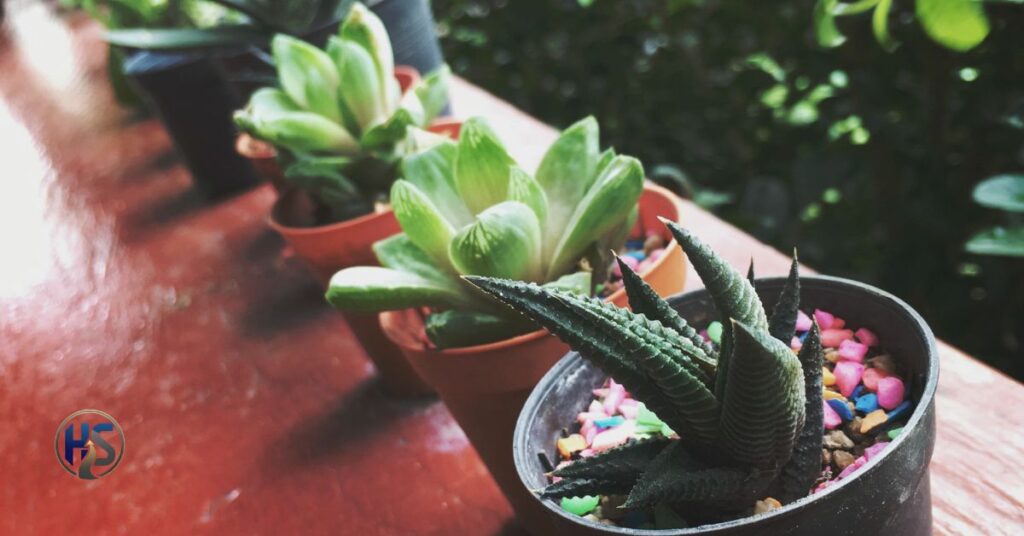
When it comes to low-maintenance plants that bring a splash of life to any room, suçculents are hard to beat. These plants are loved for their thick, fleshy leaves, which store water, making them resilient and perfect for people who want greenery without spending hours tending to it. We’ve put together everything you need to know about suçculents, from their care and types to tips on styling and propagation.
What Are Suçculents?
Suçculents are plants that have adapted to survive in dry environments by storing water in their stems, leaves, or roots. This means they can go longer periods without water compared to many other houseplants. They come in a wide variety of shapes, sizes, and colors, which is why they’re popular in homes, offices, and gardens alike. Some popular examples include Aloe Vera, Echeveria, and Sedum, though the list of varieties is nearly endless.
One of the best things about suçculents is how forgiving they are. While they do have preferences, they can tolerate a range of conditions, making them perfect for both beginner and experienced plant lovers.
Light Requirements for Suçculents
Most suçculent plants thrive in either full sunlight or bright, diffuse light. A sunny window ledge is ideal for many species, especially those native to South African or American deserts. However, not all suçculents like harsh, direct sunlight. If a plant’s leaves start to brown or look scorched, it may be getting too much sun.
We like to keep a mix in our home, with sun-loving varieties on south-facing windows and shade-tolerant types in rooms with less light. Using grow lights can also be a great solution during winter months when natural light is limited.
Watering Suçculents
The most common mistake with suçculents is overwatering. Because these plants store water in their leaves, too much moisture can cause root rot, which is often fatal. A good rule of thumb is to water only when the soil is completely dry.
During the growing season, usually spring and summer, we water our plants more regularly but still sparingly. In fall and winter, when most suçculents go dormant, they require very little water. Remember, underwatering is far less harmful than overwatering with these plants.
Soil and Potting
Suçculents need soil that drains extremely well. Regular potting soil tends to hold too much moisture, so it’s best to use a mix specifically designed for cacti and succulents. If you’re making your own, a combination of potting soil, sand, and perlite works beautifully.
When it comes to pots, drainage is key. Pots with holes at the bottom prevent water from sitting around the roots, which is a common cause of plant stress. We also like to use terracotta pots because they allow soil to dry faster than plastic containers.
Fertilizing Suçculents
While suçculents are not heavy feeders, they do benefit from occasional fertilization during their growing season. A balanced, diluted fertilizer works well, and we usually feed ours once a month in spring and summer. During dormancy, it’s best to skip feeding altogether. Over-fertilizing can cause rapid, weak growth, which makes plants less attractive and more prone to disease.
Common Types of Suçculents
Suçculents come in a huge variety of shapes and sizes. Here are a few of our favorites:
- Echeveria: Known for its beautiful rosette shapes and pastel colors, Echeveria is perfect for indoor arrangements.
- Aloe Vera: Famous for its medicinal properties, Aloe is both practical and decorative.
- Sedum: Low-growing and spreading, Sedum is great for pots, rock gardens, or even hanging baskets.
- Haworthia: A small, slow-growing succulent that often features unique patterns on its leaves.
- Crassula: Including the popular Jade Plant, Crassula varieties are easy to care for and can live for decades.
These are just the tip of the iceberg—suçculents offer endless variety in shape, color, and texture.
Propagating Suçculents
One of the most fun aspects of having suçculents is how easy they are to propagate. Many types can be grown from leaves, cuttings, or offsets.
To propagate from a leaf, gently twist it off the main plant and let it callous over for a few days before placing it on soil. Keep it in indirect sunlight and mist occasionally until roots and tiny new plants appear. Offsets, or “pups,” can be separated from the main plant and potted individually. We love sharing our propagated plants with friends—it’s a great way to expand your collection without spending money.
Decorating with Suçculents
Suçculents aren’t just hardy; they’re versatile and stylish. Their wide range of colors and forms makes them perfect for modern, minimalist, or eclectic interiors.
We often use them in:
- Terrariums: Small glass containers are perfect for creating mini succulent gardens.
- Hanging planters: Adds greenery without taking up counter space.
- Mixed arrangements: Combining multiple species in a single container creates a striking display.
- Outdoor rock gardens: Many suçculents thrive outdoors in warm climates, adding texture and color to landscapes.
Pairing them with stones, driftwood, or decorative sand adds another layer of visual interest and makes them even more of a statement piece.
Dealing with Pests and Problems
While suçculents are generally low-maintenance, they aren’t completely immune to pests. Common issues include mealybugs, aphids, and spider mites. Regularly checking leaves and stems helps catch infestations early.
If you notice pests, wiping leaves with a cotton swab dipped in rubbing alcohol often solves the problem. For more persistent issues, natural insecticidal sprays work well without harming the plant.Another common issue is etiolation, where plants stretch out due to insufficient light. If your plant is getting too leggy, moving it to a brighter spot can restore compact growth.
Benefits of Having Suçculents
Suçculents are more than just pretty additions to your home. They bring several benefits:
- Air purification: Some varieties, like Aloe, help remove toxins from indoor air.
- Stress relief: Caring for plants has been shown to reduce stress and improve mood.
- Aesthetic appeal: Their unique shapes and colors brighten up any space.
- Low maintenance: Perfect for busy people or beginners in gardening.
We find that even a few small pots on a desk or windowsill can make a room feel more lively and calming.
Common Myths About Suçculents
There are a few misconceptions about these hardy plants:
- They survive on neglect alone: While they are resilient, they still need proper light, soil, and occasional watering.
- All succulents are desert plants: Some thrive in tropical climates or shady indoor spaces.
- They don’t need fertilizer: Feeding helps them grow healthy and colorful leaves.
By understanding their needs, we can help them thrive and enjoy their full potential.
Conclusion
Suçculents are the perfect plant for anyone who wants a mix of beauty, resilience, and low maintenance. Whether you’re a seasoned gardener or a first-time plant parent, these plants are forgiving, versatile, and endlessly fascinating. From choosing the right light and soil to propagating new plants and decorating your home, we’ve explored everything you need to make the most of your suçculent collection.
Adding these plants to your life is more than just a trend—it’s an investment in a calming, green environment that brings joy with minimal effort. So pick a few varieties, find a sunny spot, and watch them thrive. Once you start, we promise you’ll be hooked on the charm and simplicity of suçculents.
Stay informed with our latest news and alerts MCDFoofforthoughts!