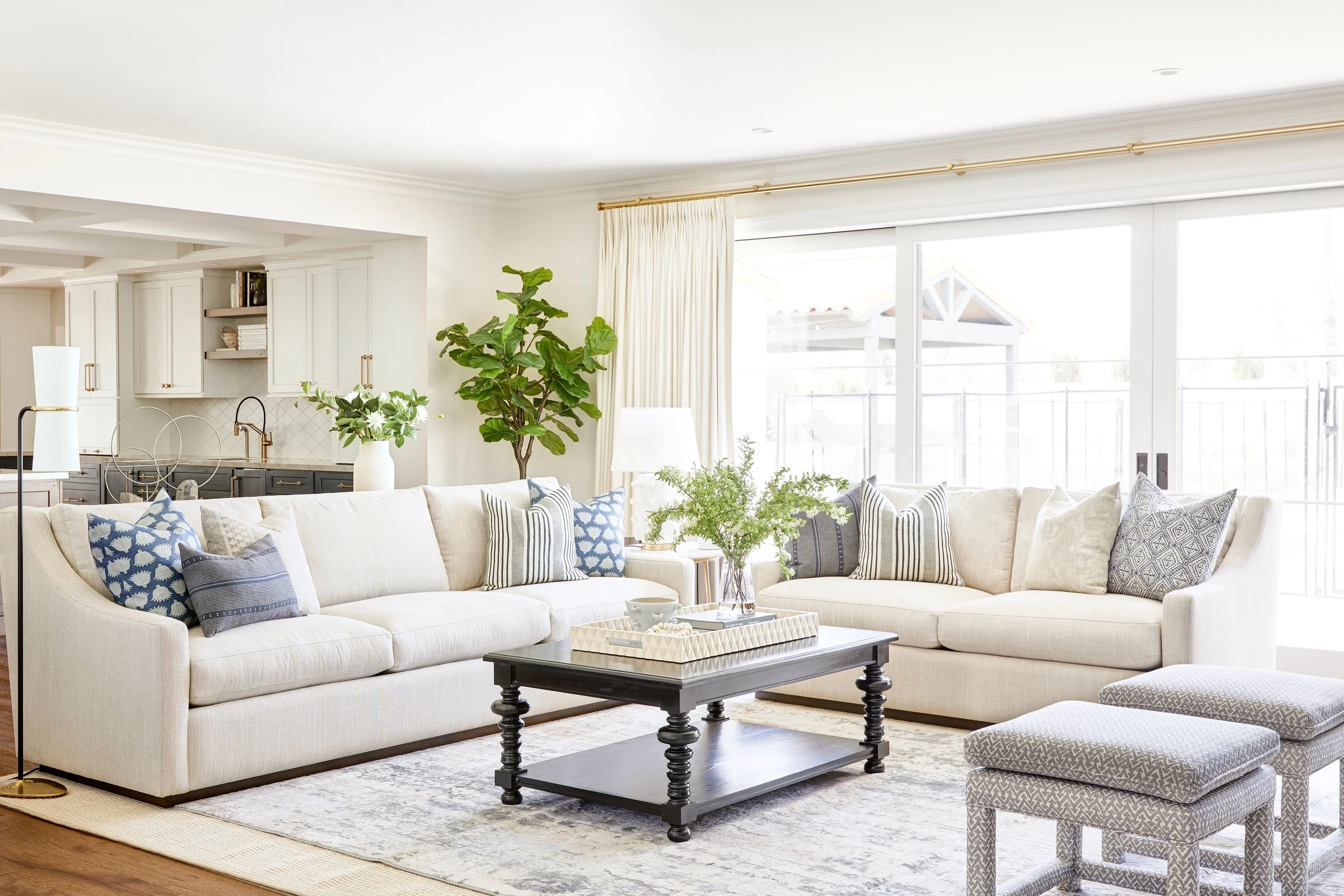
When we talk about any building or interior space, the structure alone is never enough. A house with only bricks, concrete, and raw surfaces cannot be used or enjoyed properly. This is where acabamento comes in. It is the final and one of the most important stages of any construction or interior design project.
Acabamento is all about refinement. It is the stage where we focus on details, appearance, and functionality. We can think of it as the “final touch” that brings everything together. Without proper finishing, even a strong structure can feel incomplete, uncomfortable, and unattractive.
In our work in construction and interior design, we understand that finishing is not just decoration. It is a combination of technical skill, material knowledge, and design sense. It affects how a space looks, how it feels, and how long it lasts.
What is Acabamento?
Acabamento refers to the final stage of construction or design where surfaces and structures are treated to achieve their final appearance and performance.
It includes activities like:
- Smoothing walls and ceilings
- Applying paint or wallpaper
- Installing flooring materials
- Adding tiles or stone finishes
- Polishing wood, metal, or concrete
- Applying protective coatings
- Installing decorative elements
We can say acabamento is the transformation phase where raw construction becomes a usable and visually complete space.
Why Acabamento is Important
Finishing is not optional. It plays a major role in both residential and commercial spaces. There are several reasons why we always focus heavily on this stage.
1. Aesthetic Appeal
The most visible role of acabamento is beauty. It defines how a space looks and feels. Colors, textures, materials, and lighting all come together in this stage.
2. Protection of Surfaces
Finishing materials protect structures from moisture, dust, corrosion, and wear. For example, paint protects walls, while coatings protect metal surfaces.
3. Comfort and Usability
A well-finished space is more comfortable to live and work in. Smooth walls, proper flooring, and clean detailing improve daily experience.
4. Durability
Good finishing increases the lifespan of materials. It prevents early damage and reduces maintenance needs.
5. Value Addition
A well-finished property has higher market value. Buyers always notice finishing quality before anything else.
Main Types of Acabamento
There are different types of finishing depending on the surface and purpose. Let’s look at the most common ones we work with.
1. Wall Finishing
Wall finishing is one of the most important parts of any project. It includes:
- Plastering
- Putty application
- Painting
- Wallpaper installation
- Decorative panels
Walls set the tone of the entire space, so we always make sure they are smooth, clean, and properly aligned.
2. Floor Finishing
Flooring plays a huge role in both function and design. Common materials include:
- Ceramic tiles
- Marble and granite
- Wooden flooring
- Vinyl and laminate
- Polished concrete
Each material gives a different feel. For example, wood gives warmth while marble gives a luxurious look.
3. Ceiling Finishing
Ceilings are often ignored, but they are very important in design. We use:
- POP (Plaster of Paris) designs
- False ceilings
- Paint finishes
- Lighting integration
A well-designed ceiling can completely change the atmosphere of a room.
4. Wood Finishing
Wood finishing is used in furniture, doors, and cabinets. It includes:
- Polishing
- Varnishing
- Laminating
- Staining
Good wood finishing enhances natural texture and protects it from damage.
5. Metal Finishing
Metal surfaces need protection and style. We use:
- Powder coating
- Galvanizing
- Polishing
- Anti-rust coatings
This ensures strength and long life for railings, frames, and fixtures.
6. Exterior Finishing
Exterior finishing protects the building from weather conditions. It includes:
- Exterior paint
- Waterproof coatings
- Texture finishes
- Cladding materials
This is important because outside surfaces face sun, rain, and dust all year.
Materials Used in Acabamento
Different materials are used depending on the design and function. Some common ones include:
- Cement and plaster
- Paints and primers
- Wood and plywood
- Ceramic and porcelain tiles
- Stone (marble, granite, quartz)
- Glass and aluminum
- Decorative laminates
We choose materials based on durability, budget, and design requirements.
Process of Finishing Work
Acabamento is not done randomly. It follows a step-by-step process.
1. Surface Preparation
We first clean and prepare surfaces. This includes removing dust, leveling uneven areas, and repairing cracks.
2. Base Coating
A base layer like plaster or primer is applied. This creates a smooth foundation for final finishes.
3. Application of Finishing Material
This is the main stage where paint, tiles, flooring, or other materials are installed.
4. Detailing Work
Edges, corners, joints, and small areas are carefully finished to ensure perfection.
5. Polishing and Touch-ups
Final polishing and corrections are done to achieve a clean and professional look.
6. Inspection
We always inspect the final work to make sure everything meets quality standards.
Factors That Affect Quality of Acabamento
Several things influence the final quality of finishing:
Skill of Workers
Experienced workers deliver cleaner and more precise finishes.
Material Quality
Good materials last longer and look better.
Environmental Conditions
Humidity, temperature, and dust can affect finishing results.
Tools and Equipment
Modern tools improve accuracy and speed.
Planning and Design
Proper planning avoids mistakes and rework.
Common Mistakes in Finishing Work
Even in professional projects, mistakes can happen. Some common issues include:
- Uneven wall surfaces
- Poor paint application
- Misaligned tiles
- Cracks after finishing
- Color mismatch
- Low-quality materials used
- Lack of proper surface preparation
We always try to avoid these by careful planning and inspection at every stage.
Trends in Modern Acabamento
Finishing styles have changed over time. Today, we see many modern trends in construction and interior design.
Minimalist Finishes
Simple, clean, and neutral designs are very popular.
Natural Materials
Wood, stone, and natural textures are widely used for a warm feel.
Smart Lighting Integration
Ceilings and walls now include LED lighting designs.
Matte Finishes
Instead of glossy surfaces, matte textures are trending.
Eco-Friendly Materials
Sustainable and recyclable materials are becoming more important.
Maintenance of Finished Surfaces
Finishing is not just about installation. Maintenance is equally important.
We recommend:
- Regular cleaning
- Avoiding harsh chemicals
- Repairing small damages early
- Repainting when needed
- Protecting surfaces from water and moisture
Proper care helps maintain beauty and durability for a long time.
Cost Factors in Acabamento
Finishing costs can vary widely depending on several factors:
- Type of material used
- Size of the project
- Design complexity
- Labor charges
- Location of the project
- Quality level required
Luxury finishes naturally cost more, while basic finishes are more budget-friendly.
Conclusion
Acabamento is the final and most important stage that completes any construction or interior project. It is where we bring together design, function, and comfort. Without proper finishing, even the strongest structure feels incomplete.
From walls and floors to ceilings and decorative details, every element plays a role in shaping the final outcome. Good finishing improves beauty, increases durability, and adds value to any space.
In our experience, we always see that people may forget the structure, but they always remember the finishing. That is why we give it the attention it deserves, making sure every detail is done with care, precision, and quality.